
Trace Back Emanuel County Former Owners
Find the most recent deed that clearly matches your parcel. That is your anchor. Record the date, grantor, grantee, deed type, book and page, and the full legal description. Then treat that grantor as a grantee. Search for the earlier deed where they bought the land. The chain builds itself one hop at a time. Resist the pull of similar surnames. A family name alone never proves the land matches.
| Source | Years It Covers | Where Held | What It Shows |
|---|---|---|---|
| GSCCCA central index | Notice begins 1990; Emanuel start unverified | Online and clerk terminal | Grantors, grantees, dates, references |
| County deed books | Earlier local record | Clerk of Superior Court | Recorded transfers and descriptions |
| Plat Book A index | 1813-1829 | Clerk or Archives route | Early plats and subdivision clues |
| Tax digest microfilm | 1841 | FamilySearch catalog | Historic taxpayer and land context |
The recent chain lives in the online index. The early trail usually means courthouse books and microfilm. A tax roll entry or a plat can hint at a past owner, but only a recorded deed actually connects one owner of record to the next.
Go Back Through Emanuel County's Central Index
The GSCCCA Real Estate Index lets you narrow a search. Filter by party name, instrument type, county, and date. Georgia's statewide notice system dates to January 1, 1990. Coverage of older Emanuel County deed records online varies. Treat that start date as context rather than a promise of completeness. Run the newest grantor through the index as a grantee. If you already have a book and page, use the separate instrument search. It can pull the record directly. Internet images may require an account. GSCCCA states that full database access is free at any Georgia Superior Court clerk office.
Reconstruct Emanuel County's Deed Chain Backward
Backward tracing holds together only when you test the party and the parcel together. Names repeat across a county. One owner may hold several tracts at once. Acreage figures, GMD, subdivision, lot numbers, plats, and adjoining-owner wording separate the right land from the wrong one at every step.
- Transcribe the newest deed's names, dates, type, reference, and description.
- Search its grantor as an earlier grantee, testing initials and spelling variants.
- Reject candidates whose acreage, district, lot, or plat does not fit.
- At the online limit, take the last verified reference to books or microfilm.
- Grantor / grantee
- The parties transferring and receiving the stated interest.
- Chain of title
- The linked sequence of instruments affecting ownership.
- Legal description
- The land wording that outlasts many street-address changes.
- Reverse index
- The grantee side used to locate how a later seller acquired land.
Anchor Emanuel County Prior Owners with Plats
Subdivision names can hold a chain together long after street addresses change. Legal notices for Emanuel County mention Lake Luck, Lincoln Park, South Side, S.G. Williams, Dublin Road, and Castlewood. Lake Luck material cites a 1955 survey. Castlewood records reference a 1975 plat. Treat each as a lead, not proof of ownership. The GSCCCA plat search filters by name. It also filters by instrument type, county, Sec/GMD, and district. Land lot and date narrow things further. Pull the recorded plat itself and compare it with the deed. Lot, block, book, and page references outlast any modern street label.
Note: Newspaper legal notices can reveal a useful record reference, but the recorded instrument must control every chain conclusion.
Bridge Emanuel County Estate Gaps
A clean deed chain sometimes breaks at a death. Probate explains why. Inventories, wills, administrator appointments, heir information, creditor notices, and court orders all survive in the file. Together they reveal who had authority to sign a later estate deed. Emanuel County Probate Court offers a remote estate search for $10. Records-room copies run $1 per page. An estate inventory lists the property address and approximate equity. That can tie a family proceeding to your parcel. But a probate entry alone transfers nothing. Return to the deed records for the instrument that moved the land.
Search Paris and Swainsboro in Older Ownership Records
Swainsboro carried the name Paris briefly in 1854, then reverted. Older ownership research may require both terms. Economic shifts in timber, cotton, railroads, and highways also shaped how deeds were written, built around rights-of-way, roads, GMDs, and land lots instead of modern addresses. Franklin Memorial Library holds Forest-Blade microfilm and obituary files back to 1901, along with cemetery books, yearbooks, census material, and local files. These connect people and places between instruments. They support the deed chain without replacing it.
Use Emanuel County's 1841 Tax Digest as Context
The FamilySearch catalog lists an Emanuel County tax digest for 1841. It was microfilmed from the original at the Swainsboro courthouse. A digest that old can place a taxpayer in a specific year. When deed references run thin, it offers a rare historical lead. Still, it cannot fix the exact parcel. Nor can it prove the taxpayer held the same estate a later deed describes. Weigh the tax name against adjoining owners, acreage, district, and family names in deeds and probate. Write down the film or catalog identifier so another researcher can repeat the step. Keep the digest as one layer of the ownership reconstruction. The FamilySearch 1841 tax-digest catalog points to the repository and courthouse microfilm.
Remember that the catalog screen is only a finding aid. The named taxpayer still has to be tied to deeds, acreage, district, and adjoining land before the connection counts.
Follow Emanuel County Access Channels When Images Stop
The web index never holds the whole record. The Emanuel County Clerk of Superior Court keeps deeds and plats at 125 S Main Street in Swainsboro. The office opens Monday through Friday from 8 AM to 5 PM. It answers at 478-237-8911. County guidance points to courthouse counter requests for deed copies. GSCCCA image access online can require a regular or premium account. The full database stays free at a Georgia Superior Court clerk terminal. For older work, climb from the local deed book to Georgia Archives microfilm, FamilySearch catalogs, and Franklin Memorial Library's local material. An Emanuel County Open Records request can seek an identifiable agency-held record by electronic delivery, mail, or pickup. It cannot force an office to build a missing chain. It also cannot issue a private title opinion. The Georgia court e-access directory lists the provider route for Emanuel Superior and State Court records.
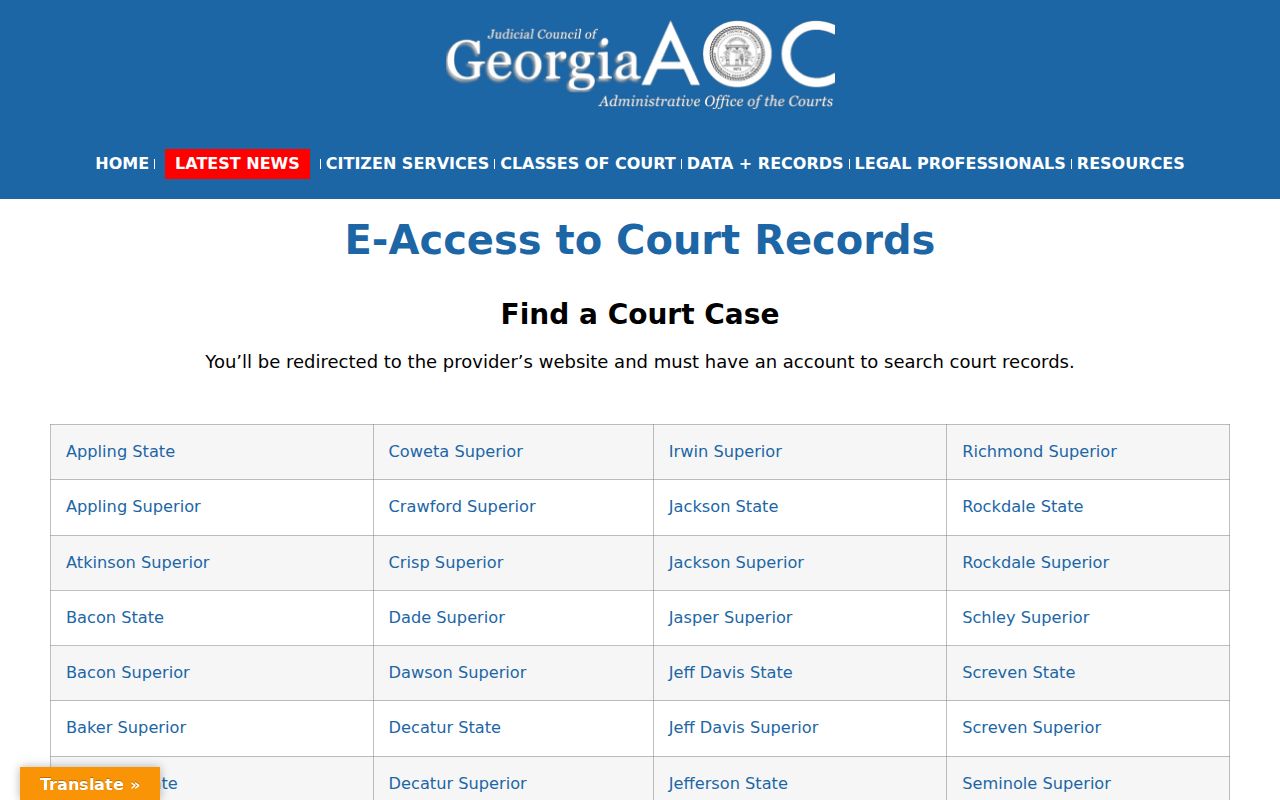
A provider hit can hint at a title case. But the real answers sit in the clerk's case file and the recorded land instruments themselves. Emanuel County researchers should go there next. Treat the online result as a lead, not a conclusion.
Keep a log of every name variant, date band, book and page, legal-description phrase. Also note each repository you check. A negative index result only means something under certain conditions. You must know the search terms, coverage, and access channel behind it. Good logging keeps you from repeating a dead-end lookup. It also makes the next former-owner link in Emanuel County property records far easier to audit.
Read Deed Types Without Skipping a Prior Owner
Deed types are not interchangeable. Five common types matter here. A warranty deed, quitclaim deed, corrective deed, executor's deed, and security deed each do different work in the parcel's chain. A quitclaim moves only whatever interest its grantor actually held. A corrective deed repairs a legal description or a misspelled name. It does not open a new arm's-length sale. A security deed is an encumbrance. So the lender never belongs in the owner of record sequence as if it bought the parcel.
Copy the instrument type exactly as indexed. Then read the granting clause and the legal-description language in the deed itself. When a correction points back to an earlier book and page, keep both citations. That pair often explains what looks like a duplicate transfer. It also stops you from inventing an extra former owner in the Emanuel County deed records.
Extend Emanuel County Previous Owners Beyond the Web
Emanuel County was formed in 1812, and its early paper trail is concrete. The 1813-1829 Plat Book A index and an 1841 tax digest both survive. The Georgia Archives County Records Microfilm Index points researchers to county cards and pre-1900 holdings. FamilySearch catalogs headright and loose lottery plats. The Georgia Archives county-card collection is the reel-finding route shown here.
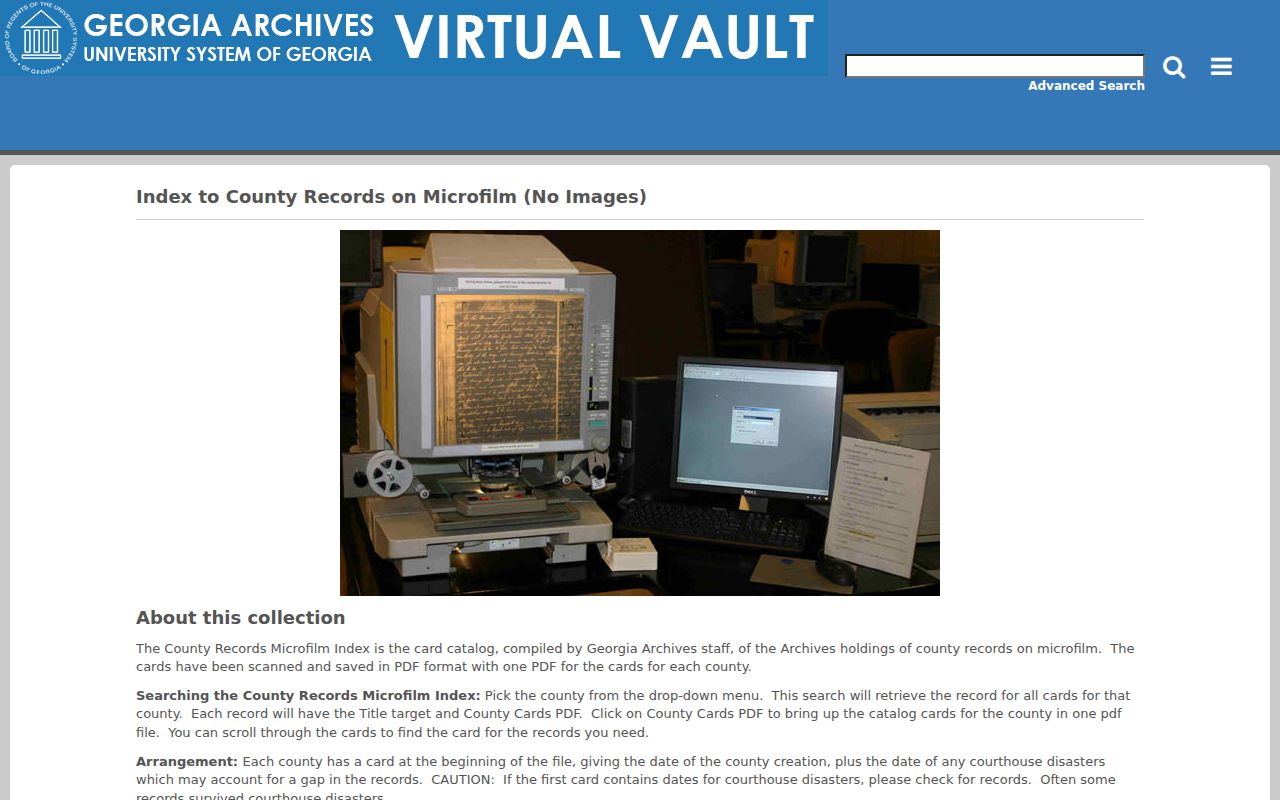
Use the catalog details to identify a county volume or reel. Then preserve the original record citation in the chain. Anchor the trail at the Clerk of Superior Court, 125 S Main Street, Swainsboro. Record the book, page, reel, catalog number, source URL, access date, and certification status. Emanuel County has no documented courthouse-disaster loss list. So never blame a gap on a fire without evidence.
The Georgia, Wills and Deeds collection spans roughly the 1700s through 2017. It offers another index or image lead from multiple custodians. Check its image provenance and compare every entry against the Emanuel clerk's book. Early headright and loose lottery plats can also explain original tract geography before later divisions. Those collections mix eras and sources. Because of that, capture the county, record type, and citation along with each name. The Emanuel headright and loose lottery plat catalog shows the dedicated historical collection entry.
Availability notes differ by access point, and any historical plat must be reconciled with later divisions and recorded deeds. Careful citation lets a later reader tell an original courthouse record apart from a catalog entry, transcript, or derivative index.
Online coverage has a limit. The observed central notice began in 1990, but Emanuel's exact online start is unverified. Older owners require local books, plats, microfilm, and archives.